 Free AI for your students’ hardest work.
Help with questions, writing, translating and summarising, on open AI models, answered by computers that people donate. Free for schools and causes.
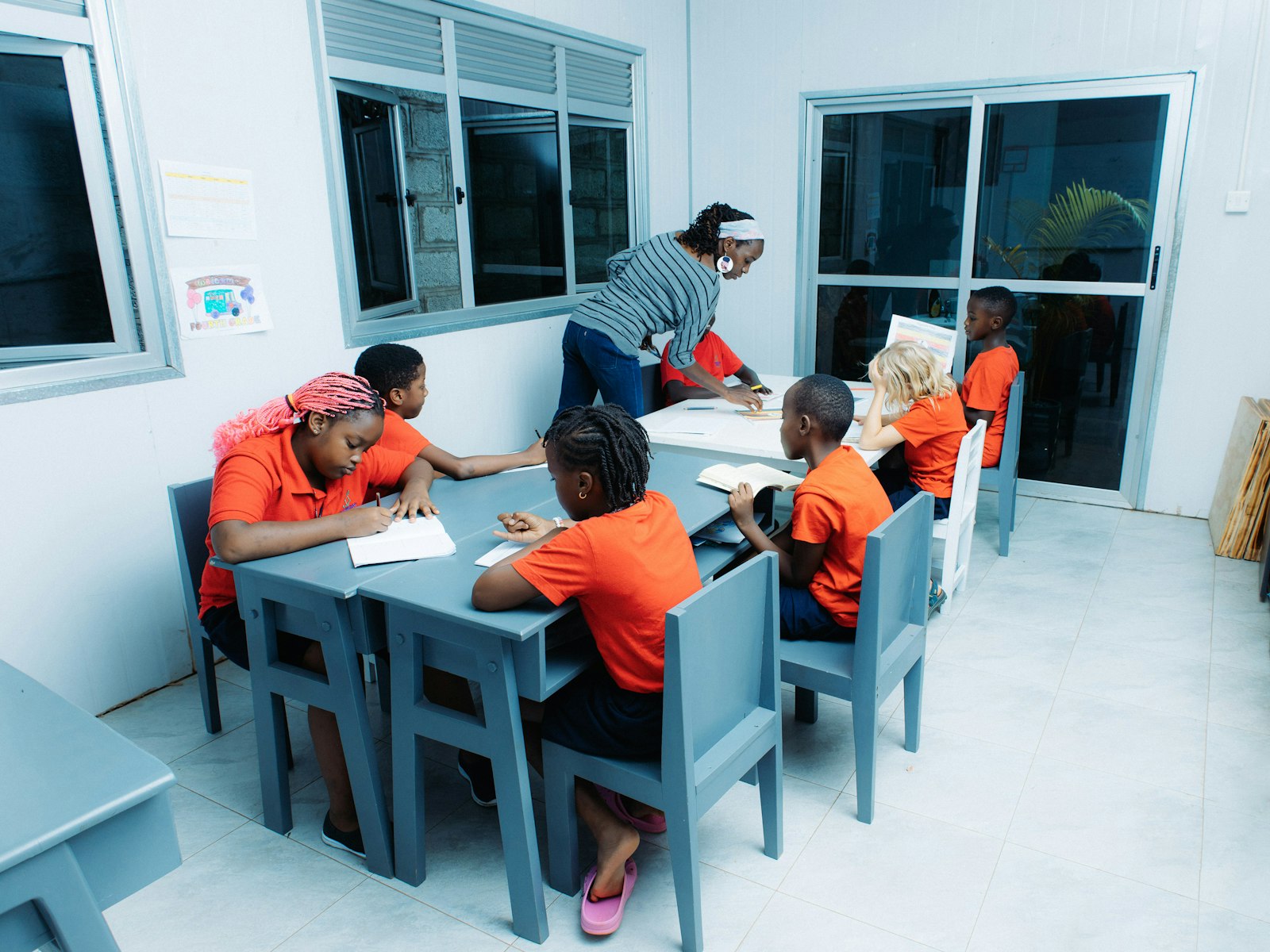
Is this for your students?
Free chat covers questions. It stops where students start building.
Since August 2026, free AI chat is unlimited. The wall stands somewhere else: coding agents, API keys, long documents, heavy days. Which students hit it depends on what they study, not on how curious they are.
How much AI a day, by field
Tokens per student per day, rough orders of magnitude
Software, IT, web
incl. vocational ICT, bootcamps
Makers, student founders
automations, agents, own apps
Data science, statistics
notebooks, datasets, pipelines
Law, accounting, finance
reading and comparing documents
Engineering
scripts, simulations, datasheets
Thesis and research
literature in bulk, deep research
Languages, communication
free chat is enoughMedicine, care, business
bachelor level: asking, summarising
free chat is enough
Design, architecture and media hit the wall hardest of all, on images and video rather than text; that is not in our first version. Estimates from our October 2026 field checks and planning model; plans and limits change often.
Where none of this is true yet, the first step is not compute but showing what is possible: a workshop, a few worked examples, a class that tries a coding agent once. We are happy to help with that too.
An assistant for the whole school, without a plan per person.
Free plans run out fast, and a paid plan for every student is out of reach. Tokens for Good gives your people free AI on open models, within a monthly budget, with no seats to buy. Through Claude or ChatGPT it takes on the heavy text work, so the plan you have lasts longer.
Questions and writing
Help with essays, homework and revision: explaining, giving feedback on a draft, answering questions.
Translating and summarising
Letters for parents in their own language, long texts made short, piles of answers sorted. Text only, for now.
Open models
It runs on open-source AI models, not on a paid plan, so there are no seats to buy.
Free
No price for schools and causes. Each one gets a free monthly budget, with no account per student to pay for.
In the tools you already use
With an API key, a donated computer writes the answer in any tool that takes one. Through Claude or ChatGPT, heavy text work comes to us, so your own plan lasts longer. How to connect.
Careful with privacy
The donor’s app never shows what is asked. On the open tier, send only information that is not sensitive.
For the people who can’t pay for it.
We start with a few schools and foundations, close to home, and grow from there.

Students
Help with their hardest work, through the tools their school sets up.

Teachers
An assistant for the whole class, not only for those who can pay.
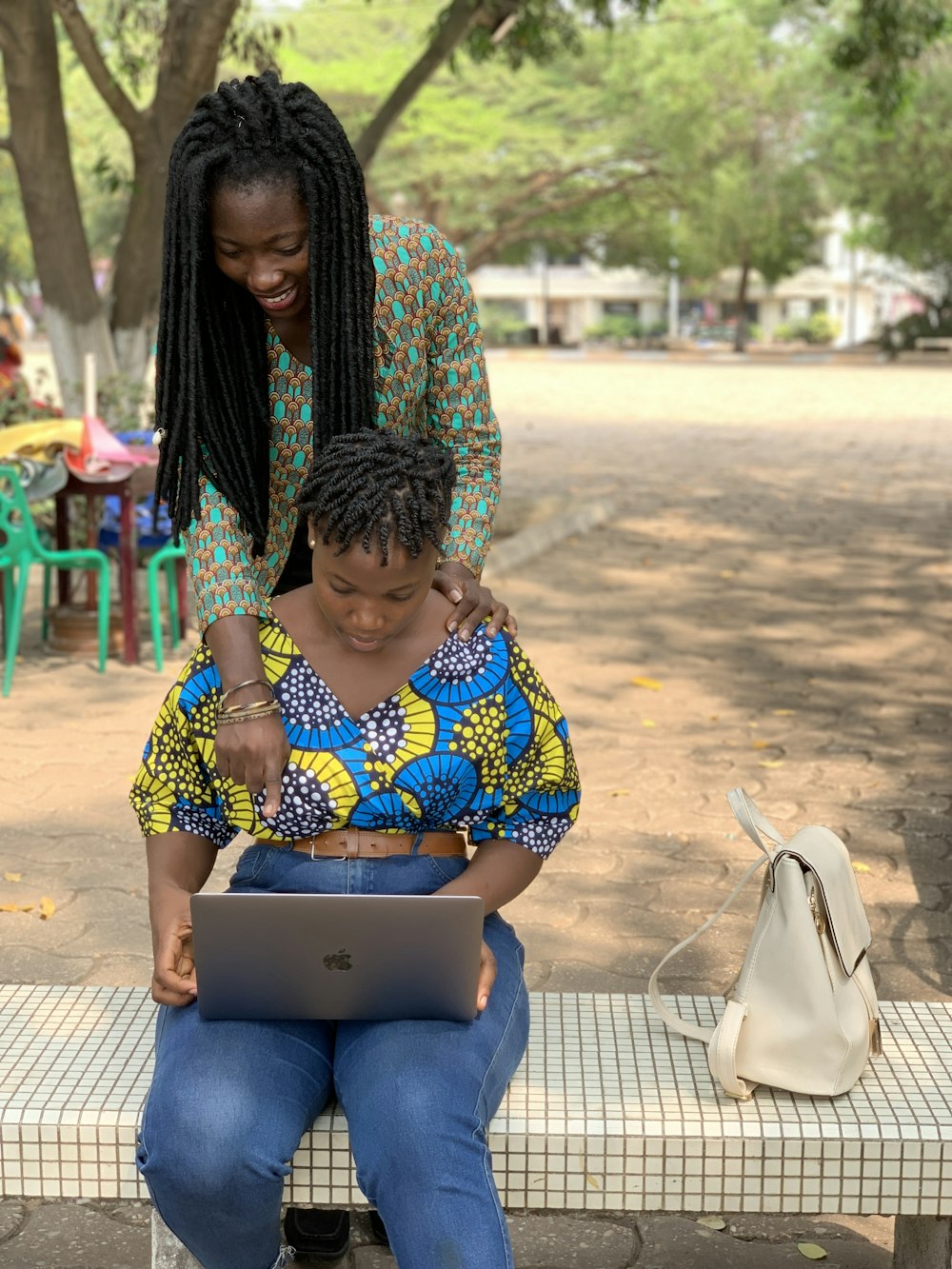
Small causes
Foundations and teams who need AI they could not budget for.
Four steps, in the tools you already use.
- Step 1
Apply
Join the waitlist and tell us who you are and what you want AI for. When we launch, we invite you to create an account.
- Step 2
We review
A person reads every application. The first causes are few, close to home and chosen with care, so places are limited at the start.
- Step 3
You get access
A free monthly budget, used through the Claude or ChatGPT connector, or with an API key.
- Step 4
Your people ask
The work goes to a donated computer running an open model, and the answer comes back in the tool they used.
We never keep what a student asks.
A donor lends the computer, and the app never shows them the questions. We are open about the rest: today the text is processed in plain form on that computer, so what you send should match the tier you are on.
- The app never shows donors the questions. Only that their computer is helping. Their dashboard shows which causes.
- Students never see whose computer answered. To them it is simply their school’s AI.
- We never store or log what is asked or answered. We keep how much was used, to count against your budget.
- Two tiers, so sensitive work goes to the right place. Text is processed in plain form on the donor’s computer today. On the open tier any donor can answer, so send only non-sensitive information. More sensitive work goes to the trusted tier: donors under contract and a data processing agreement.
- Stronger isolation, being built now. An extra layer to keep what students ask private on the donor’s computer.
Tell us who your people are.
Applying takes a few minutes in the portal. It helps decide where the first compute goes.
- Free for schools and causes.
- We start with a few, close to home.
- A person reviews every application.
What the application asks
- Your school or causeIts name, an email address and a password for your account.
- A little about youYour KvK number, website, what you do and how you plan to use AI. Optional, but it helps us review faster.
- One promiseThat you send only non-sensitive information unless you are on the trusted tier.
Already have an account? Log in.
Apply for compute